Masters that Translate Everywhere
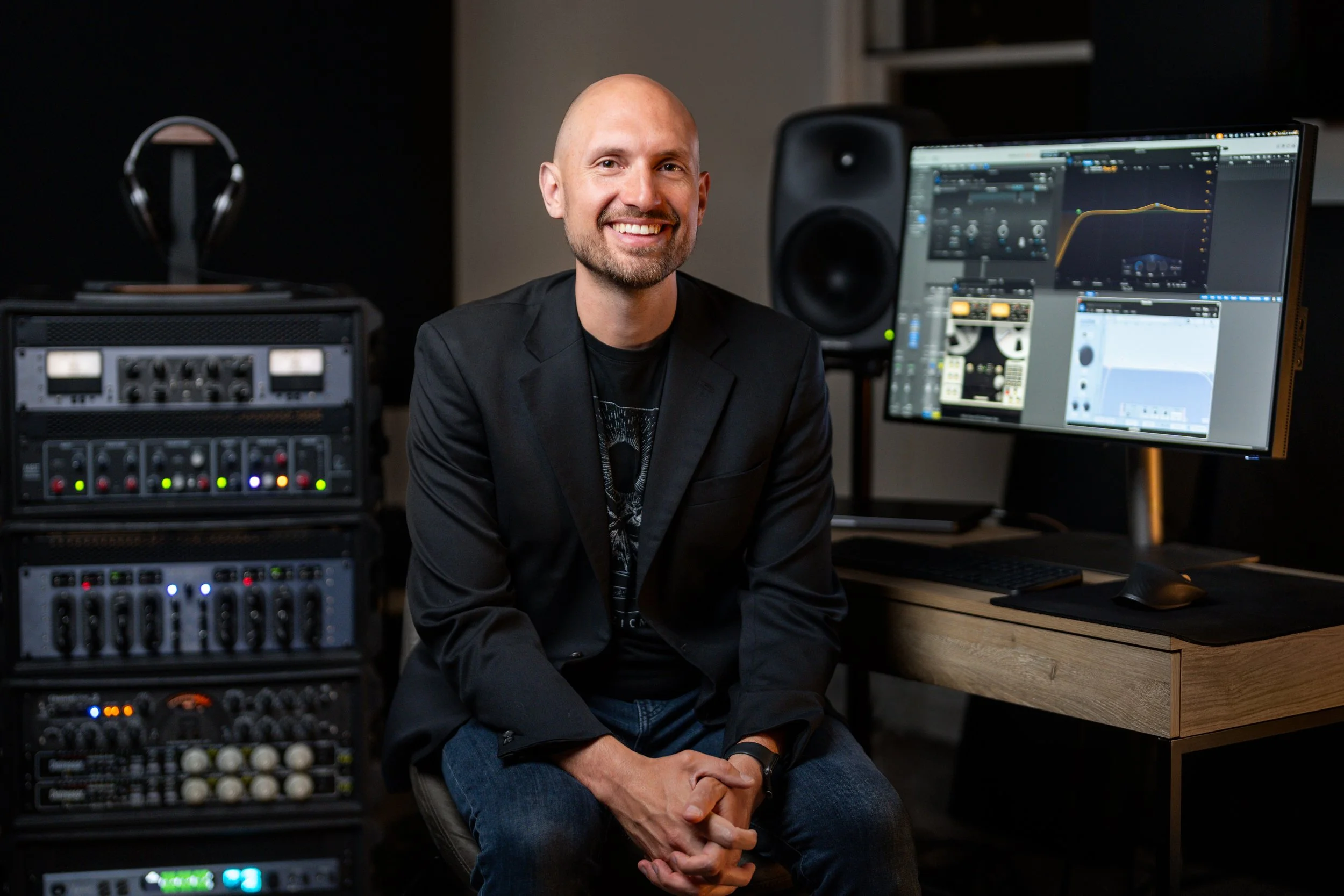
Jonathan Davidson is a regional Emmy-winning mastering engineer providing online mastering services for artists, producers, mix engineers, and record labels.
Your mix deserves more than louder.
I create musical, emotional masters that sound incredible on earbuds, cars, hi-fi systems, and streaming platforms.
Philosophy and Process
Music has shaped my life since childhood. I know how vulnerable it feels to share your work with the world, and I consider it a privilege every time an artists invites me into that journey.
After having a conversation with you about your goals for mastering, I start by listening to your music and asking, “What makes this piece special?”
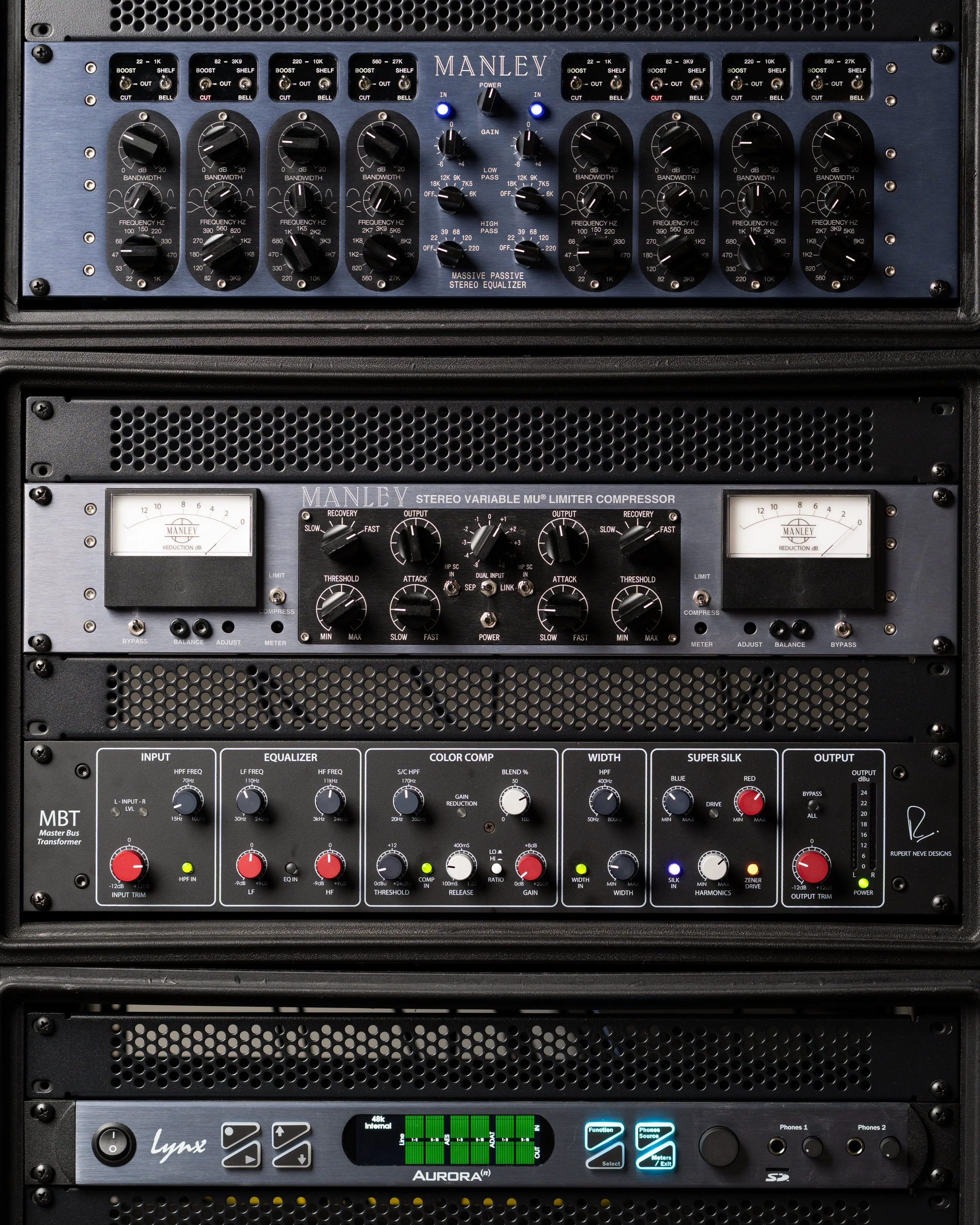
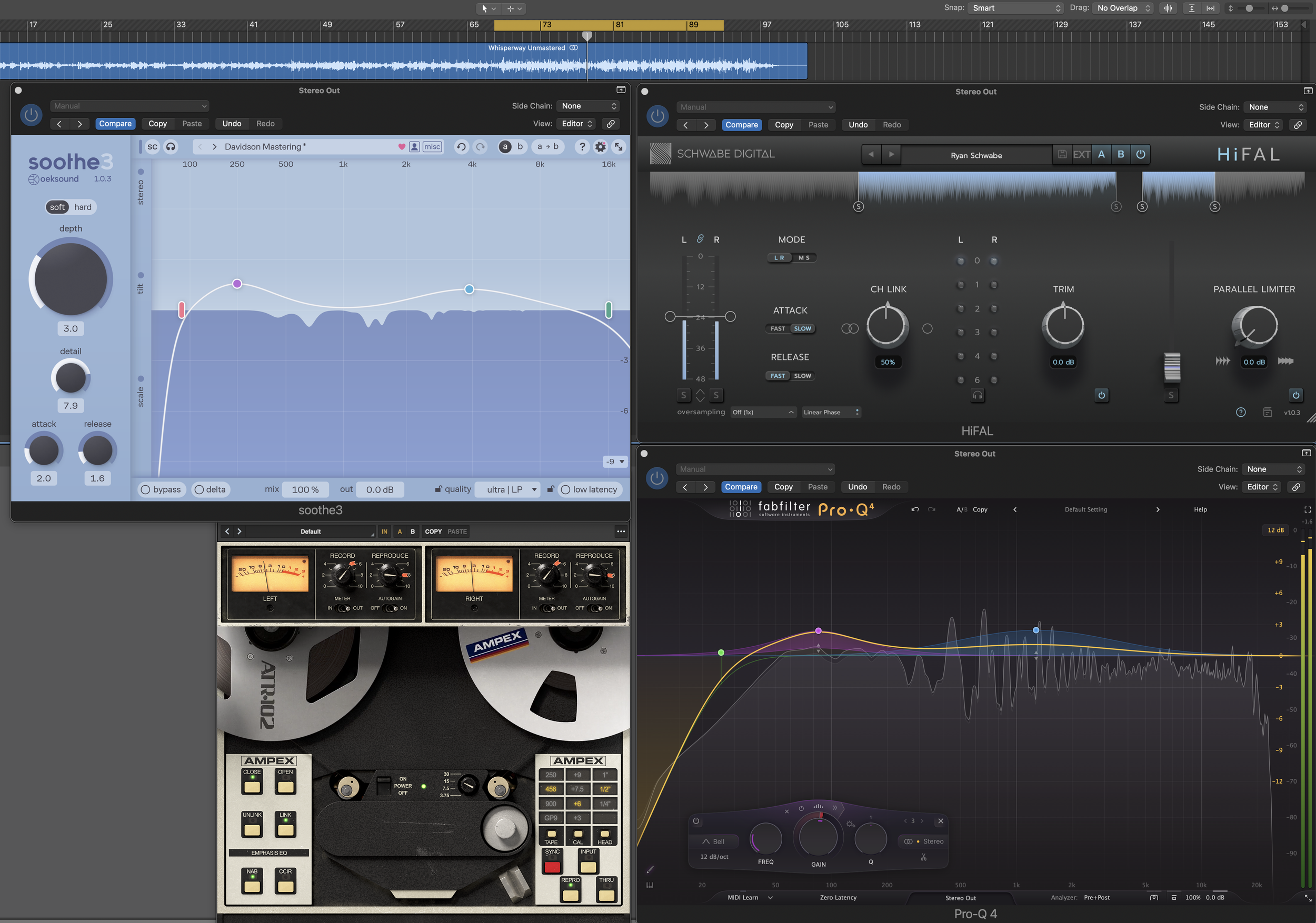
Then, I sculpt the master with top-tier hardware and carefully chosen digital tools, staying true to your artistic vision while creating a musical, dynamic, wide, and competitive master.
Making great music is a creative process. If the first pass of mastering inspires new ideas or if you want to try something different, I will do as many revisions as it takes (within reason, of course) to make sure you’re in love with the final masters.
I’m excited to hear your music and work with you. Please take advantage of my free mastering sample and reach out to introduce yourself.
Recent Work
Get Your Free Sample Master
Do you want to hear what professional mastering can do for your music? Send me a mix and I’ll master 60 seconds for free.
Step 1 — Upload mix to Google Drive
Step 2 — Receive your free sample master (1-2 business days)
Step 3 — Love it? Purchase your full master for $75
Tell Me About Your Project
Please don’t hesitate to reach out. I love talking about music and would enjoy getting acquainted.